Preserving the Cycle: Biodiversity and the Secret of Bracatinga
The Atlantic Forest Ecosystem
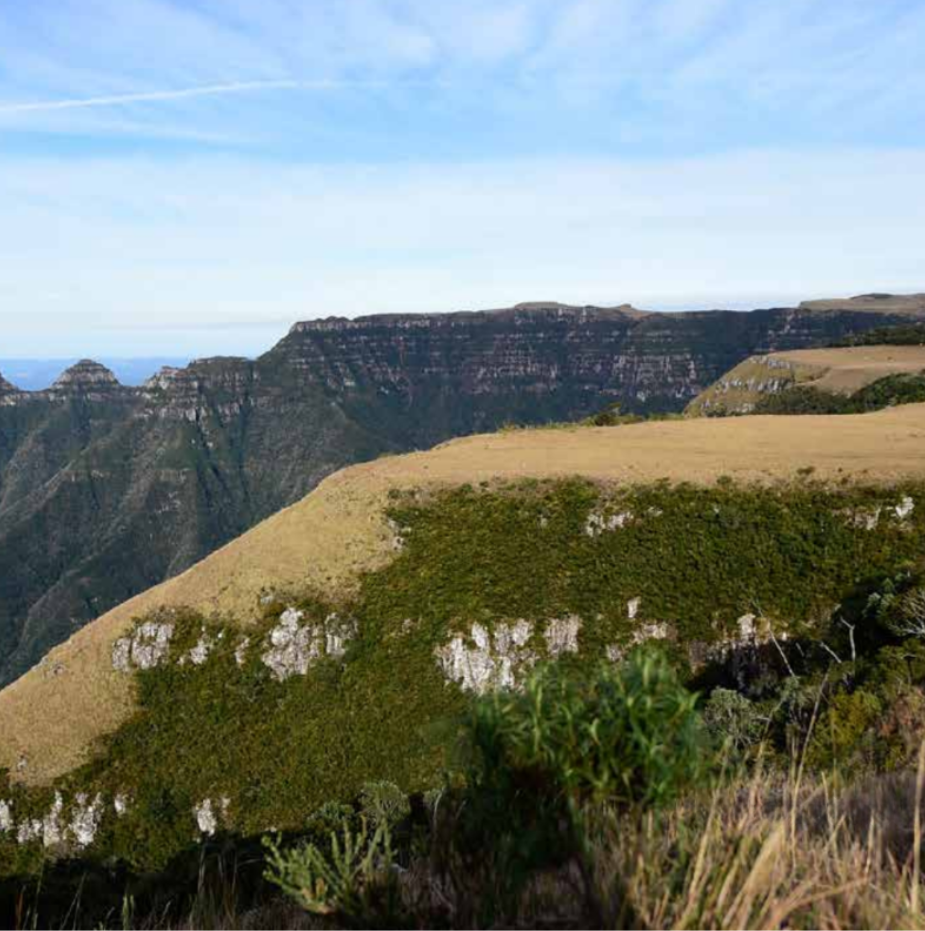
The high-altitude Atlantic Forest is a complex web of life where the Bracatinga tree thrives. A rich mix of native plants, insects, and soil microbes isn't just a backdrop—it's the engine of the forest. This biodiversity ensures the health of the trees and provides the stable environment needed for the biennial appearance of the scale insects that make our honey possible.
Bees, Pollinators, and the Honeydew Difference
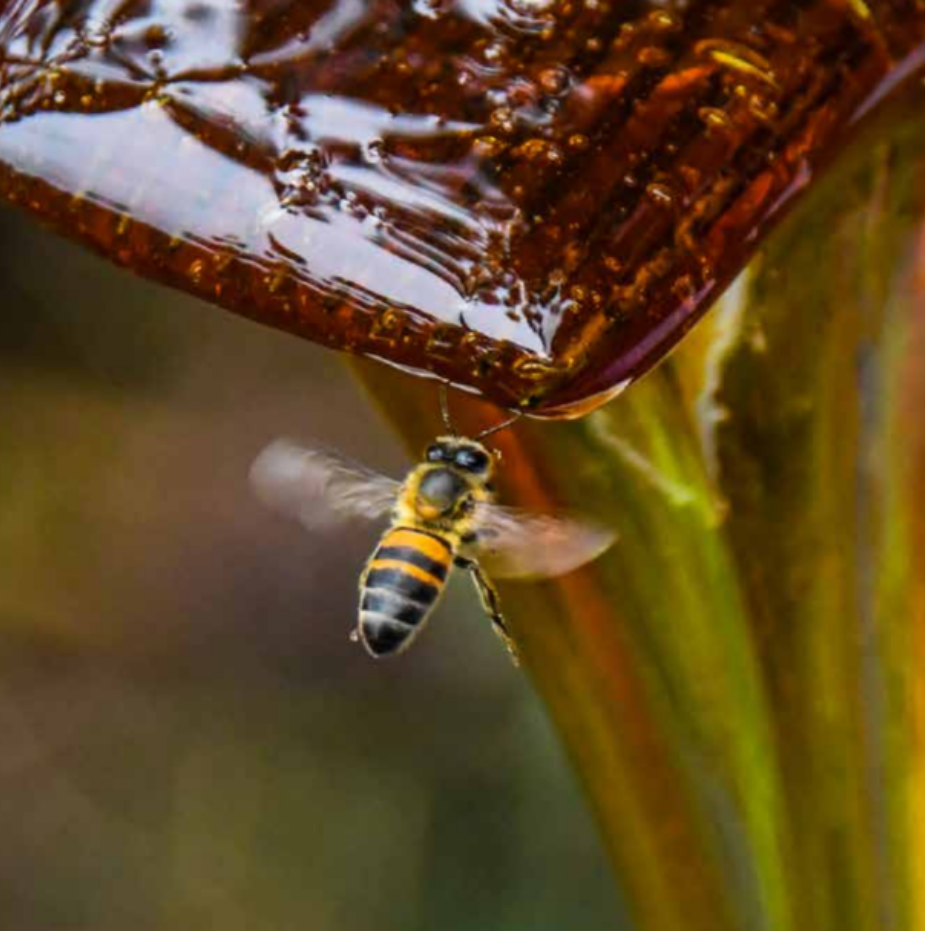
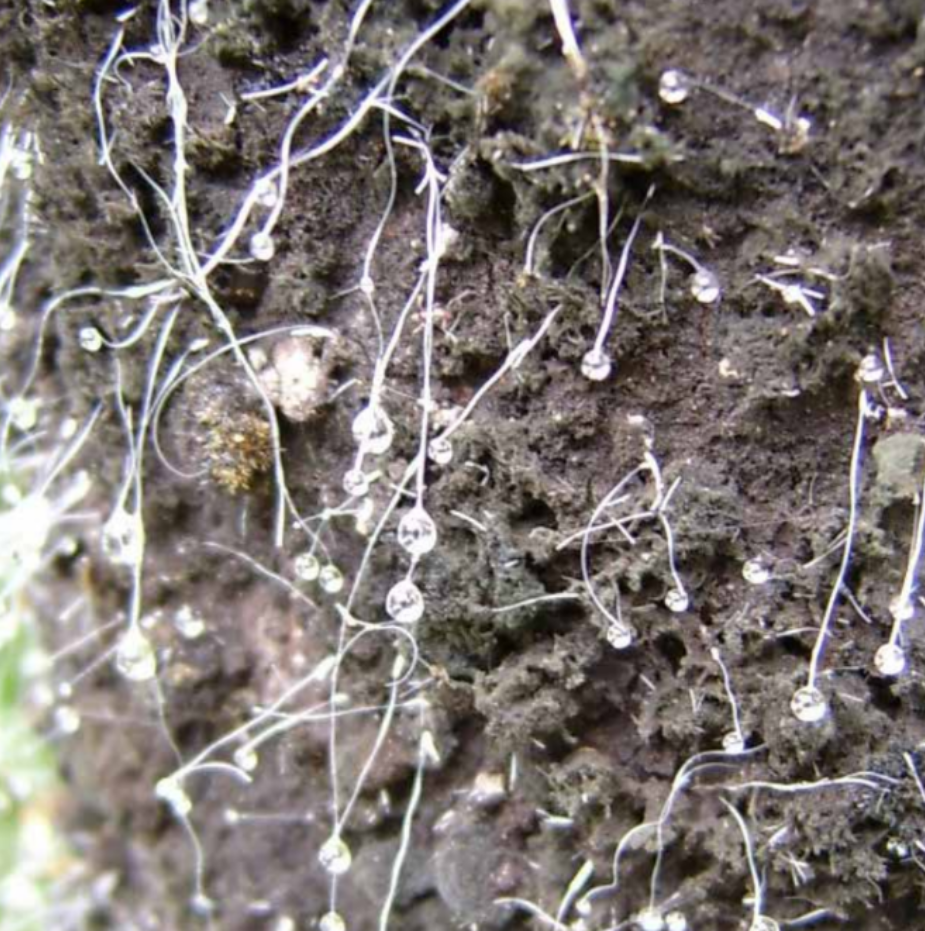
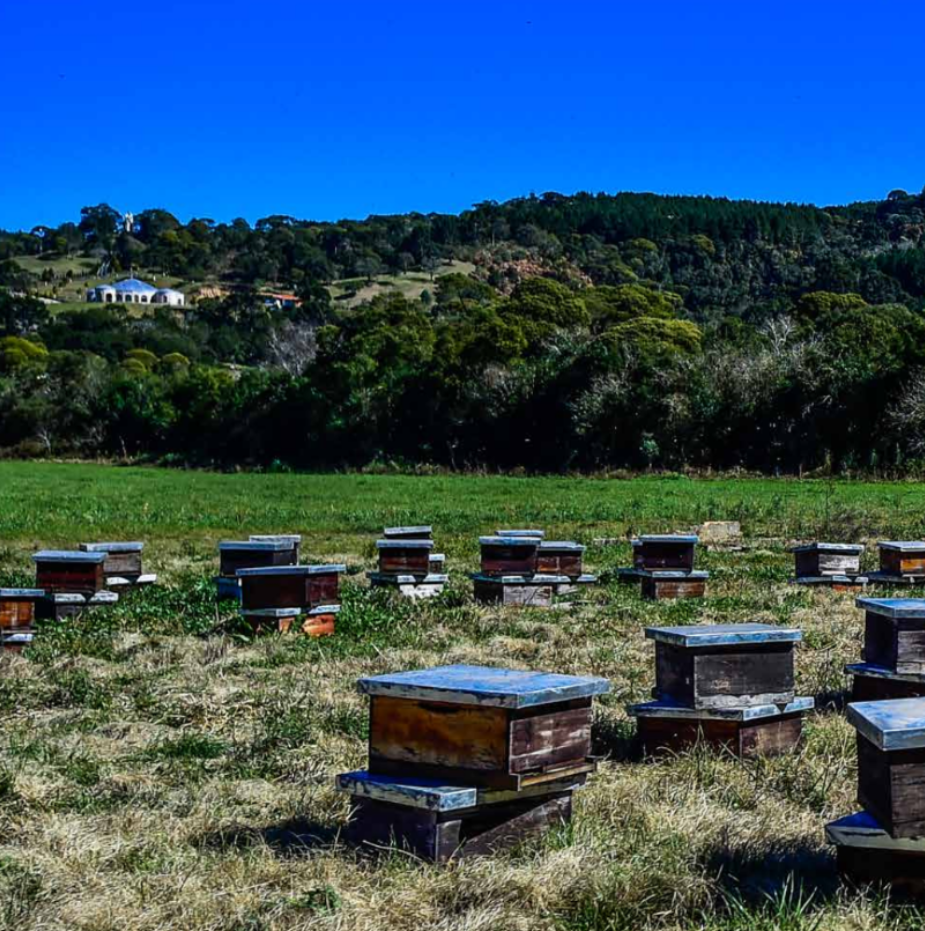
While regular honey comes from floral nectar, Bracatinga honeydew honey is a unique collaboration. Bees collect a sweet mineral-rich substance—honeydew—excreted by scale insects that live on the Bracatinga bark. By managing these bees, we support local pollinators that in turn ensure the forest's ongoing regeneration through constant pollination cycles.
Why Biodiversity Matters for Your Jar
A diverse forest produces a more complex honey. The range of minerals and organic compounds found in Bracatinga Honeydew Honey is a direct reflection of the ecosystem's health. This biodiversity is what gives our honey its signature dark hue, resistance to crystallization, and potent antioxidant properties. When you choose our honey, you're supporting the preservation of this delicate biological balance.
.png)


The Symbiotic Tapestry: Bracatinga and the Biodiversity of the Southern Brazilian Plateau
Pioneer Species and Colonization
-
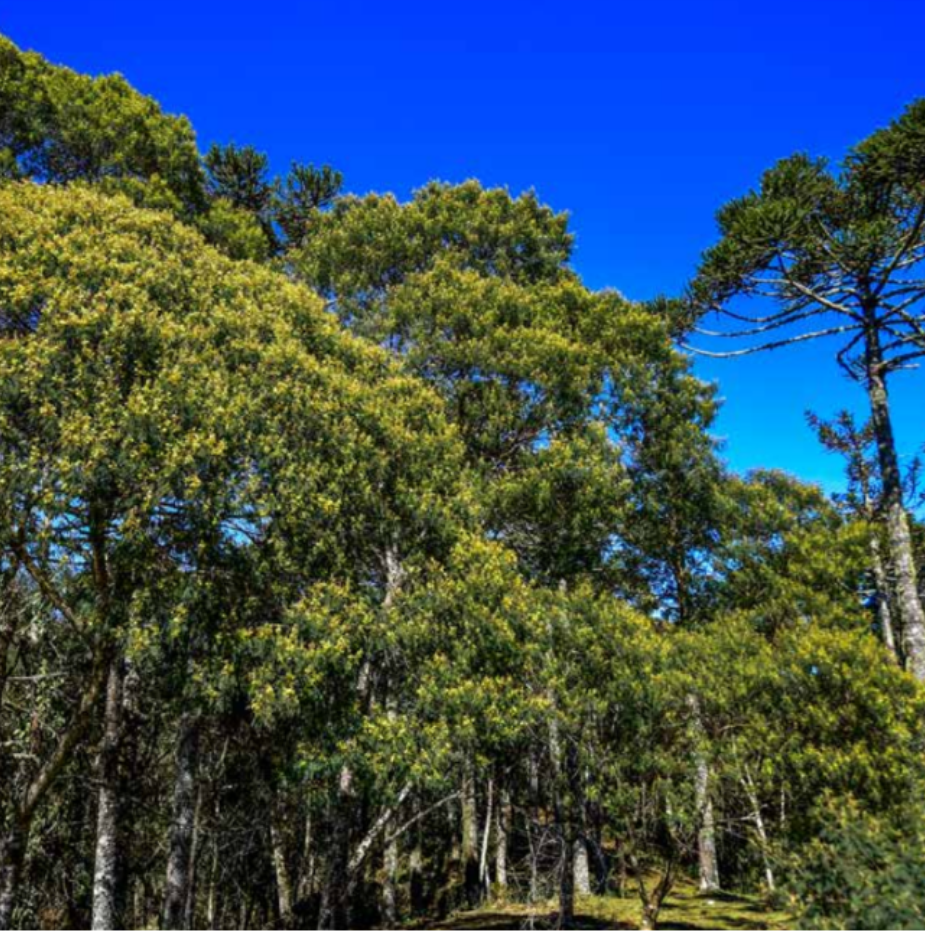
Bracatinga (Mimosa scabrella) is classified as a pioneer species because it is one of the first trees to naturally regenerate disturbed or deforested land. Its seeds germinate rapidly in open areas exposed to sunlight, allowing it to quickly establish forests after fires, logging, or agricultural activity. Over time, these dense formations, known as bracatingais, improve soil fertility through nitrogen fixation, reduce erosion, and create shade and organic matter that help other native species return. This makes Bracatinga an essential species for ecological restoration and forest regeneration in Southern Brazil.
Key Detail: Bracatinga rapidly regenerates disturbed land, improves soil quality through nitrogen fixation, and helps restore native forests by forming dense bracatingais.
The Araucaria Forest Ecosystem
-
Bracatinga is deeply tied to the Araucaria Forest, also called the Mixed Ombrophilous Forest, a unique subtropical ecosystem found in Southern Brazil. This forest is characterized by the iconic Araucaria pine (Araucaria angustifolia), which is currently considered critically threatened due to deforestation and habitat loss. The ecosystem contains exceptionally rich biodiversity, including native birds, mammals, insects, and medicinal plants. Bracatinga trees contribute to maintaining the structure and balance of this forest by supporting soil health, biodiversity, and pollinator populations. Protecting Bracatinga forests indirectly supports the conservation of the endangered Araucaria ecosystem itself.
Key Detail: Bracatinga supports the endangered Araucaria Forest ecosystem, helping preserve biodiversity, soil health, and native wildlife in Southern Brazil.
Symbotic Production Model
-
Bracatinga honeydew honey is produced through a rare environmental balance that depends entirely on preserving native forests. Unlike monoculture farming systems that often require clearing land and intensive chemical use, Bracatinga honey production can only exist in healthy, biodiverse forests. This creates a sustainable production model where forest conservation directly supports local economies and beekeeping communities. The more intact the ecosystem remains, the healthier the honey production becomes, encouraging long-term environmental stewardship rather than exploitation.
Key Detail: Bracatinga honey production depends on conserving native forests, creating a sustainable model where environmental preservation directly supports honey production.
Specific Climatic Requirements
-
Bracatinga trees grow best in the Southern Brazilian Plateau at altitudes generally above 700 meters. The region experiences a temperate oceanic climate classified as Cfb, characterized by mild summers, cool winters, frequent rainfall, and constant humidity throughout the year. These climatic conditions are extremely important because they influence the health of the trees, the activity of the scale insects, and the production of honeydew collected by bees. The narrow environmental requirements make Bracatinga honeydew honey geographically rare and difficult to replicate elsewhere in the world.
Key Detail: The tree only thrives in high-altitude regions above 700 meters with a cool, constantly humid Cfb climate found in Southern Brazil.
Unique Interspecies Association
-
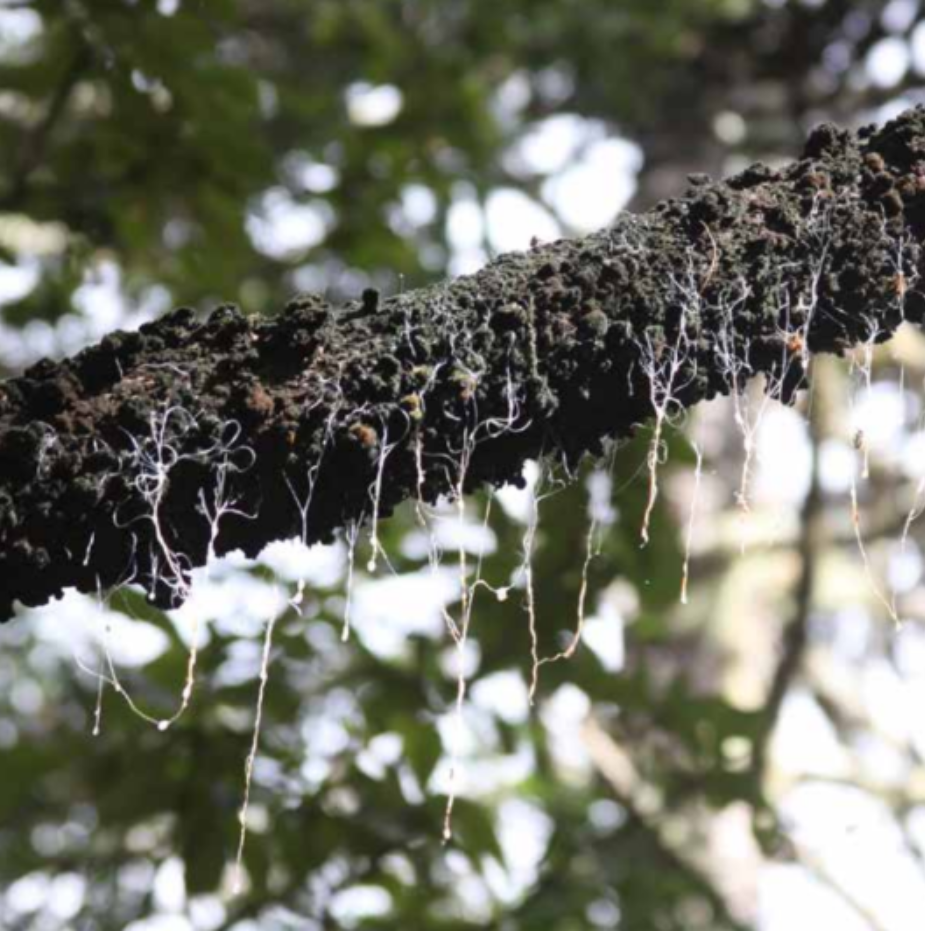
One of the most fascinating aspects of Bracatinga honey production is the ecological relationship between the Bracatinga tree, scale insects (Stigmacoccus paranaenses), and honeybees. The insects feed on the tree’s sap and excrete a sugar-rich substance known as honeydew. Bees then gather this honeydew instead of flower nectar to produce Bracatinga honeydew honey. This rare natural interaction only occurs under very specific environmental conditions and depends on the balance of the surrounding ecosystem. The result is a honey with a darker color, lower glucose content, richer mineral composition, and more complex flavor profile compared to traditional floral honey.
Key Detail: Bracatinga honeydew honey exists because of the rare relationship between the tree, scale insects (Stigmacoccus paranaenses), and honeybees.
High Organic Potential
-
Approximately 95% of Bracatinga honeydew honey is produced in native forest regions largely untouched by industrial agriculture. These remote, biodiverse environments are naturally free from pesticides, synthetic fertilizers, and genetically modified crops, making the honey highly compatible with organic production standards. The purity of the surrounding ecosystem minimizes contamination risks while preserving the natural integrity of the honey. This high organic potential is one reason Bracatinga honey is increasingly valued in premium wellness and functional food markets worldwide.
Key Detail: About 95% of Bracatinga honey is produced in native forests free from pesticides, GMOs, and industrial agriculture, making it highly suitable for organic certification.
Environmental Pollination Services
-
The bees that thrive within Bracatinga forest ecosystems also play a critical role in pollinating nearby agricultural crops and native vegetation. Their pollination activity supports fruit production for crops such as apples, pears, plums, and other regional plants that depend on bee populations for reproduction. Healthy pollinator populations improve crop yields, fruit quality, and biodiversity across the region. In this way, Bracatinga ecosystems contribute not only to honey production but also to broader environmental stability and agricultural sustainability.
Key Detail: Bees in the Bracatinga ecosystem provide essential pollination for regional crops like apples, pears, and plums, supporting agriculture and biodiversity.
Bracatinga Impact: Your Choice Matters
Protecting Native Forests
Responsible beekeeping depends on keeping the Bracatinga forest healthy. Your purchase directly funds the preservation of this unique Atlantic Forest ecosystem.
Supporting Local Beekeepers
Each jar helps sustainable small producers who care for the land and bees. We empower those who act as the frontline guardians of biodiversity.
Keeping a Rare Honey Alive
Connect your purchase directly to preserving the rare Bracatinga Honeydew Honey. Help us ensure this unique liquid legacy survives for future generations.